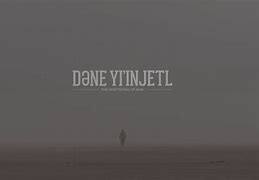
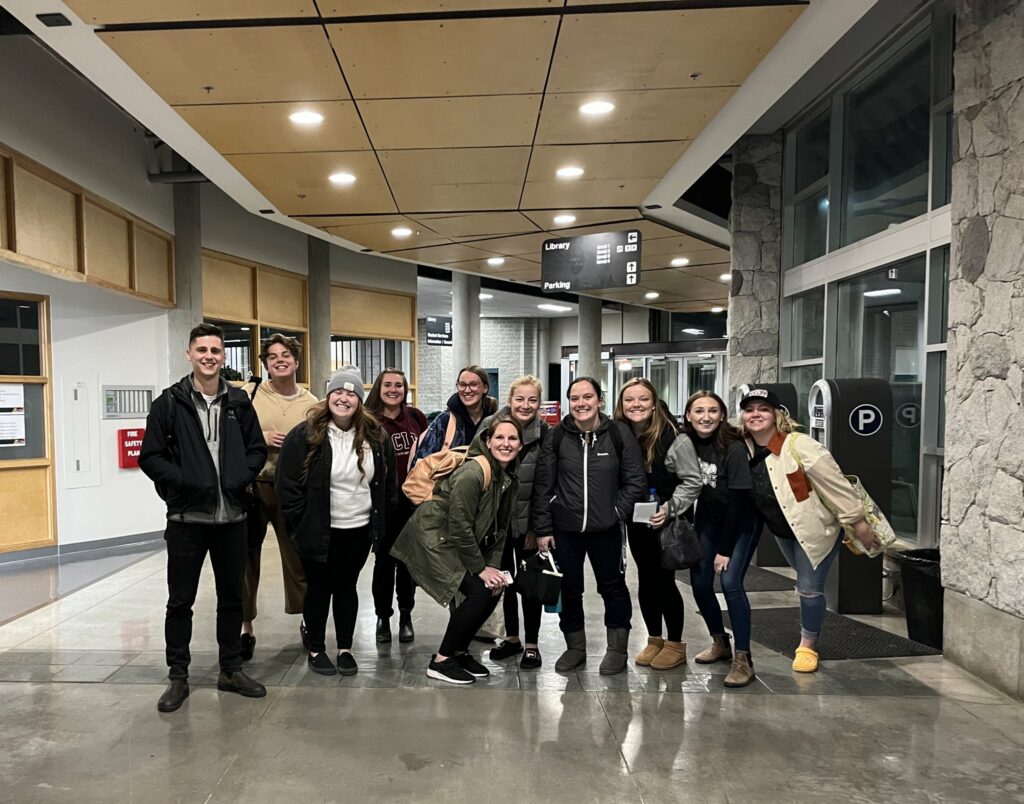
After an incredibly long day of classes, our cohort made the decision to go to the first sighting of an incredible documentary by the Tsay Keh Dene nation. This documentary is called The Scattering of Man, and boy, was it a powerful experience. This documentary was about the W.A.C. Bennett dam and the flooding that was brought on by BC Hydro. The land that the Bennett dam was situated on was the land of the Tsey Keh Dene peoples. They have inhabited this land for centuries, and the reoccurring floods eventually veered them off this land.
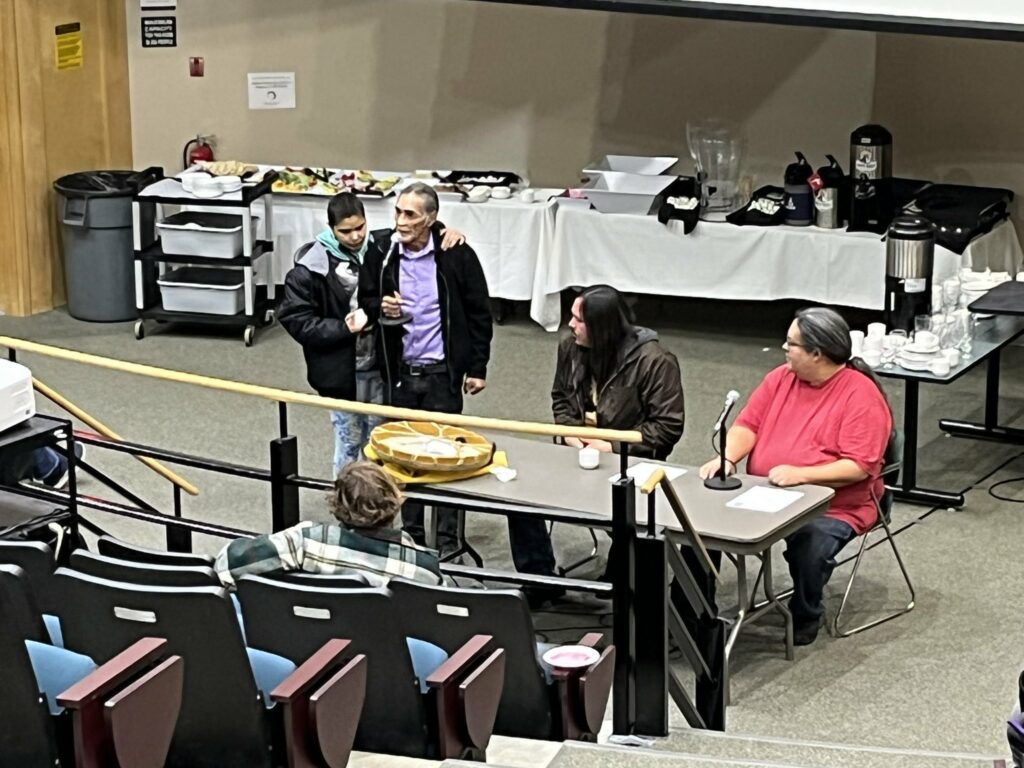
This film was an eye-opening piece of art that showed me the horrors that the Tsey Keh Dene nation had to endure. As a local resident of the area, I knew all about the Bennett dam. However, I never heard about what it did to the people that lived on that land and how horrific their relocation was.
At the end of the film, there was an hour of Q & A with the director of the documentary. During this Q & A, questions were asked about whether BC Hydro was held liable for the horrors that were caused. Stories were told about people not having enough time to pack up their things before the floods and losing all their belongings. We were told about Tsey Keh Dene people that had to climb trees to save themselves from the rapidly rising water.
The spotlight moment of this documentary experience was when a local elder shared his stories with us. The one thing he said that will forever stay with me is that he is tired of the word reconciliation. He wants to see more action.
So what’s next for me after watching this documentary and listening to the Q & A…?
I plan to incorporate more action toward reconciliation into my classroom. I want to be an ally to change in regards to Indigenous issues.
Leave a Reply