
There are 9 different First Peoples Principles of Learning, but for the purpose of this page, I have chosen to talk about the one that resonates the most with me and my teaching pedagogy.
Learning requires exploration of one’s identity
Jo Chrona
Although all First Peoples Principles of Learning are crucial to any student’s education and any teacher’s pedagogy, the statement that learning requires the exploration of one’s identity is incredibly important to me and my pedagogy. As an immigrant to Canada at the young age of five, I had the opportunity to explore my Eastern European heritage and incorporate it into the development of my Canadian identity.
I believe that students’ understanding of their identity is solely incorporated in the study of their heritage and the history of their families. A student’s identity is engraved in their learning, from their at-home life to their learning style.
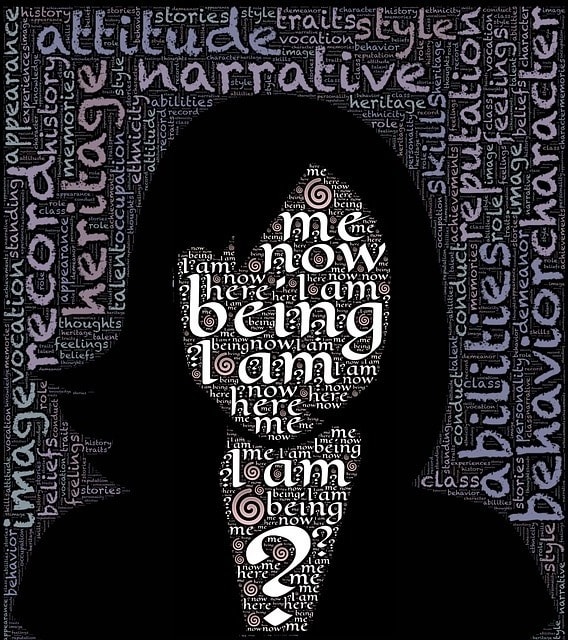
Exploration of identity is also crucial to a teacher’s career because they must understand their own identity in order to help their students discover their own. A teacher’s understanding of their own identity gets engraved into their way of teaching. Some teachers often bring their heritage into the classroom and teach their students the knowledge they have of their own history. As a Macedonian, I could choose to bring my history into the classroom and teach the students what I know as a part of my identity.
The FPPL, “learning requires the exploration of one’s identity,” resonates with me because I have learned that identity is important to Indigenous communities and is crucial to an individual’s sense of community and their understanding of their place in said community. I believe that it is important for students to have a clear understanding of their identity in order for them to understand their place in this world. The understanding that students should be encouraged to explore their identity encourages teachers to teach to the individual student’s needs. When a child is aware of their identity, they are capable of structuring their own learning by informing the teacher of their needs and helping them understand how they learn best.
images
https://www.bing.com/images/search?view=detailV2&ccid=k4HHfGk8&id=317544DA56AEB9A03DD22B5DABFA39E73BD3D8B0&thid=OIP.k4HHfGk8sPtOZXag_NIAxwHaEO&mediaurl=https%3a%2f%2fth.bing.com%2fth%2fid%2fR.9381c77c693cb0fb4e6576a0fcd200c7%3frik%3dsNjTO%252bc5%252bqtdKw%26riu%3dhttp%253a%252f%252fmhs.group.shef.ac.uk%252fwp-content%252fuploads%252f2015%252f11%252f795295-Identity-slide.jpg%26ehk%3dS%252bq7RQbLJCSxAgRvxIrJMzsxqmyn7lvMQImcHEMPujg%253d%26risl%3d%26pid%3dImgRaw%26r%3d0&exph=1095&expw=1920&q=identity&simid=608044670969791441&FORM=IRPRST&ck=8A56DFF05F7882AD15FE1191E4859820&selectedIndex=8&ajaxhist=0&ajaxserp=0
https://www.bing.com/images/search?view=detailV2&ccid=OVo4Z4sG&id=0C8064DD7090D0BDD0DF93AB25CD22C52C511463&thid=OIP.OVo4Z4sGAGhXpcV6MlihfwHaIW&mediaurl=https%3A%2F%2Fskepticmeditations.com%2Fwp-content%2Fuploads%2F2016%2F01%2Fself-identity-selflessness-min.jpg&exph=640&expw=568&q=identity&form=IRPRST&ck=C221A5CC0797ACF6D361BCE88BA0E2D7&selectedindex=6&ajaxhist=0&ajaxserp=0&cdnurl=https%3A%2F%2Fth.bing.com%2Fth%2Fid%2FR.395a38678b06006857a5c57a3258a17f%3Frik%3DYxRRLMUizSWrkw%26pid%3DImgRaw%26r%3D0&pivotparams=insightsToken%3Dccid_k4HHfGk8cp_8A56DFF05F7882AD15FE1191E4859820mid_317544DA56AEB9A03DD22B5DABFA39E73BD3D8B0simid_608044670969791441thid_OIP.k4HHfGk8sPtOZXag!_NIAxwHaEO&vt=0&sim=11&iss=VSI&ajaxhist=0&ajaxserp=0
https://www.bing.com/images/search?view=detailV2&ccid=kzMEuXa0&id=BC8C5E18D37D5A0A87A004C86FFB9E4CAF38135A&thid=OIP.kzMEuXa0Iy-occYZJv9FCQHaE8&mediaurl=https%3a%2f%2fwww.thebluediamondgallery.com%2fwooden-tile%2fimages%2fidentity.jpg&cdnurl=https%3a%2f%2fth.bing.com%2fth%2fid%2fR.933304b976b4232fa871c61926ff4509%3frik%3dWhM4r0ye%252b2%252fIBA%26pid%3dImgRaw%26r%3d0&exph=800&expw=1200&q=identity&simid=608003031260547234&FORM=IRPRST&ck=9FF8045F91598FF60A851BC40FB0F768&selectedIndex=0&ajaxhist=0&ajaxserp=0